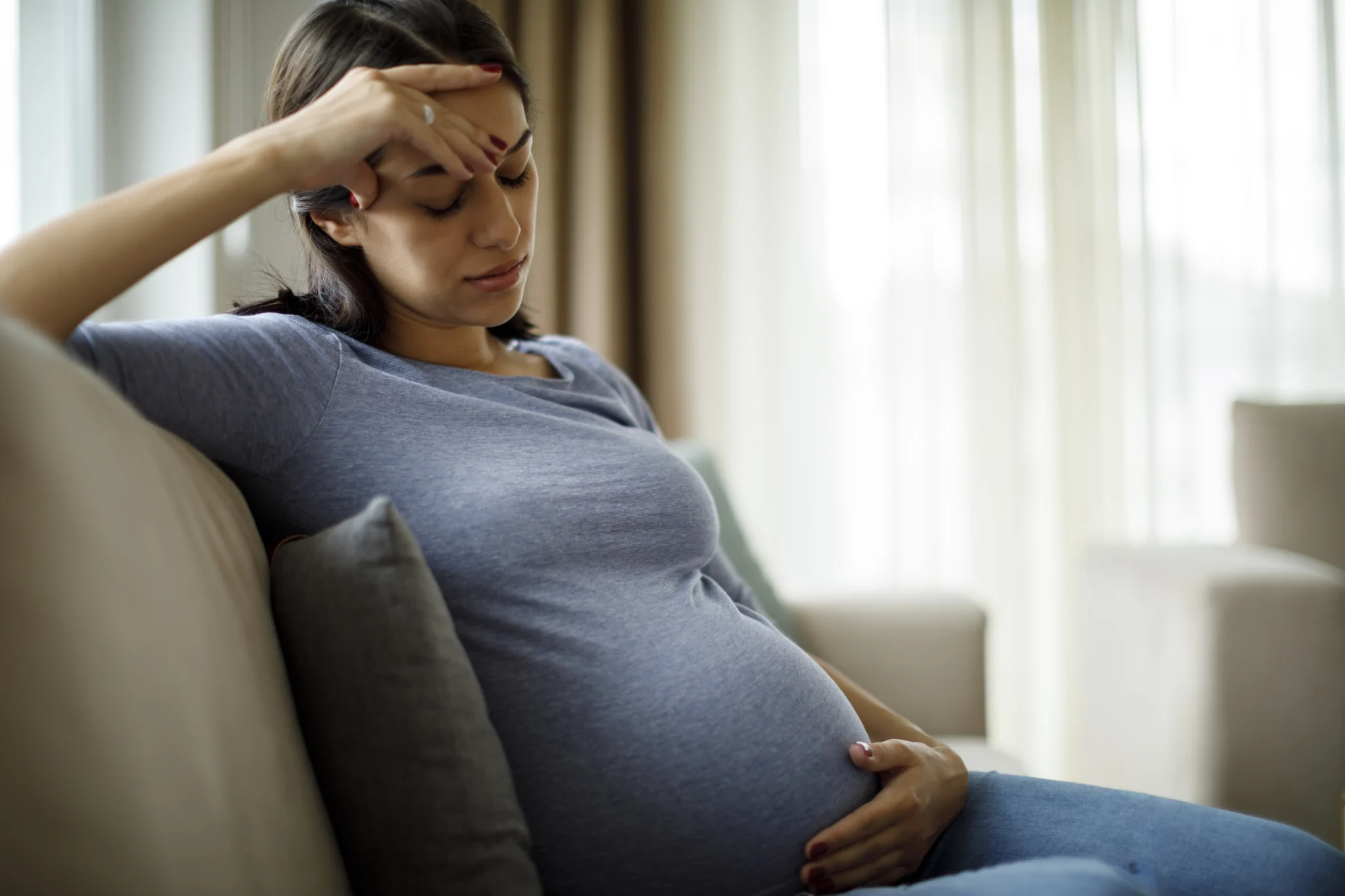
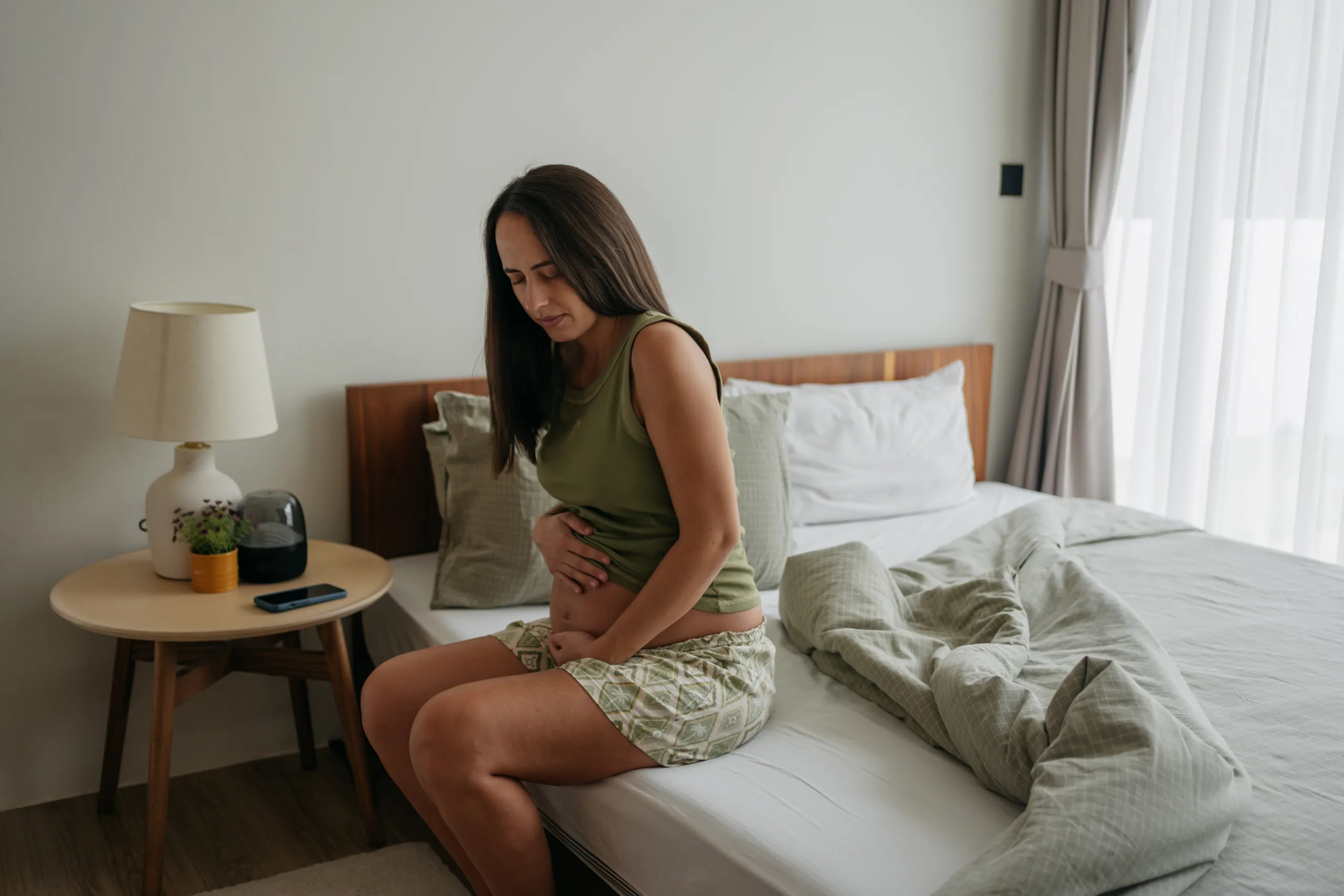
Pregnancy is exciting for many reasons — the hope of a new life, the expanding of your family and the joy a little one brings.
But for women who battle eating disorders and body image concerns, it can be a deeply distressing time as your body changes, you are required to eat enough to supply nutrition to yourself and baby and you’re dealing with shifting hormones.
For this reason, finding the right kind of support is important to ensure the health of all.
Do pregnant women struggle with eating disorders?
Yes, pregnant women can experience eating disorders. In fact, pregnancy can sometimes trigger or exacerbate these conditions due to the physical and emotional changes that occur. Common eating disorders include:
1. Anorexia Nervosa — Characterized by an intense fear of gaining weight and a distorted body image, leading to restricted food intake.
2. Bulimia Nervosa — Involving cycles of binge eating followed by purging through vomiting, fasting or excessive exercise to prevent weight gain.
3. Binge Eating Disorder — Recurrent episodes of eating large quantities of food without subsequent purging behaviors, often accompanied by feelings of loss of control and distress.
4. Other Specified Feeding or Eating Disorders (OSFED) — A category for feeding or eating disorders that cause significant distress or impairment but do not meet the criteria for the specific disorders listed above.
It’s important for pregnant women who have or suspect they have an eating disorder to seek professional help. This is vital not only for their health but also for the development and well-being of the baby.
What can pregnant women do to take care of themselves while struggling with an eating disorder?
Managing both pregnancy and an eating disorder can be particularly challenging. But taking the right steps to take care of yourself during this time can be especially helpful for overcoming any hurdles you are facing.
1. Seek professional guidance
It’s crucial to work with healthcare professionals who specialize in pregnancy and eating disorders. Schedule regular check-ins with an obstetrician and a mental health therapist with experience in eating disorders who can help keep you accountable and supported during tough moments.
2. Nutritional support
Collaborate with a registered dietitian who understands the nutritional needs for pregnancy and can help develop a balanced eating plan. This can help ensure that both you and your baby are receiving adequate nutrients. Ask your OBGYN for recommendations if you’re not sure where to begin.
3. Mindfulness and meditation practices
Working on incorporating mindfulness techniques or meditation can help greatly reduce anxiety and promote relaxation. Consider guided meditations , including yoga classes, specifically designed for pregnancy.
4. Build a support system
Connect with supportive friends, family or support groups who understand your challenges and can provide emotional support without judgment.
5. Focus on body positivity
Shift focus from appearance to the incredible work your body is doing to nurture new life. Engage with body positive content and communities to foster a positive self-image.
6. Keep a journal
Document your thoughts, feelings and experiences. Writing can be a therapeutic process that helps you reflect on your journey and track progress.
7. Engage in gentle exercise
Engage in safe, gentle exercises such as prenatal yoga or walking. Physical activity can boost mood and improve overall well-being, but should be discussed with your healthcare provider.
8. Learn more
Educate yourself about how eating disorders can impact pregnancy and the importance of proper nutrition for the baby’s development. Understanding the specifics can make it easier to manage any anxieties.
9. Practice self-compassion
Be kind to yourself and acknowledge that both pregnancy and recovery from an eating disorder are significant challenges. You are not alone, and it’s okay to have difficult days.
10. Develop coping strategies
Work on alternative coping mechanisms that don’t involve food or restrictive behaviors, such as calling a friend, distracting yourself with a hobby or engaging in a calming activity.
11. Limit negative influences
Steer clear of media or people who promote unrealistic body images or unhealthy eating habits. Curate your social media feeds to reflect positive and supportive messages, or take a break from social media entirely during your pregnancy.
12. Rest
Ensure that you’re getting enough rest. Sleep is critical for your well-being and is particularly important during pregnancy and can give you the mental strength you need to handle tough moments.
13. Prioritize self care
Establish a daily routine that incorporates activities you enjoy and that promote relaxation and well-being, such as reading, taking a bath or practicing gentle stretching.
14. Celebrate small victories
Acknowledge and celebrate small achievements, whether it’s eating a balanced meal or having a positive body image day.
15. Emergency plan
Have an emergency plan in place in case your eating disorder symptoms become unmanageable, including numbers to call or places to go for immediate help.
Remember, your health and well-being are top priority both for you and your baby, and taking proactive steps is a positive reminder of the care and love you are fostering within and for yourself.
Are you in need of support?
Pregnancy is a challenging time for any woman, but especially for those who have struggled with body image issues, disordered eating or other weight/food related issues. If you fall into this category and are worried about the effects it might have on your pregnancy, don’t be afraid to reach out for help.
The professional staff at Seeds of Hope are standing by, ready to help. Contact us anytime by calling (610) 679-8262 or fill out an online contact form to get started immediately.