
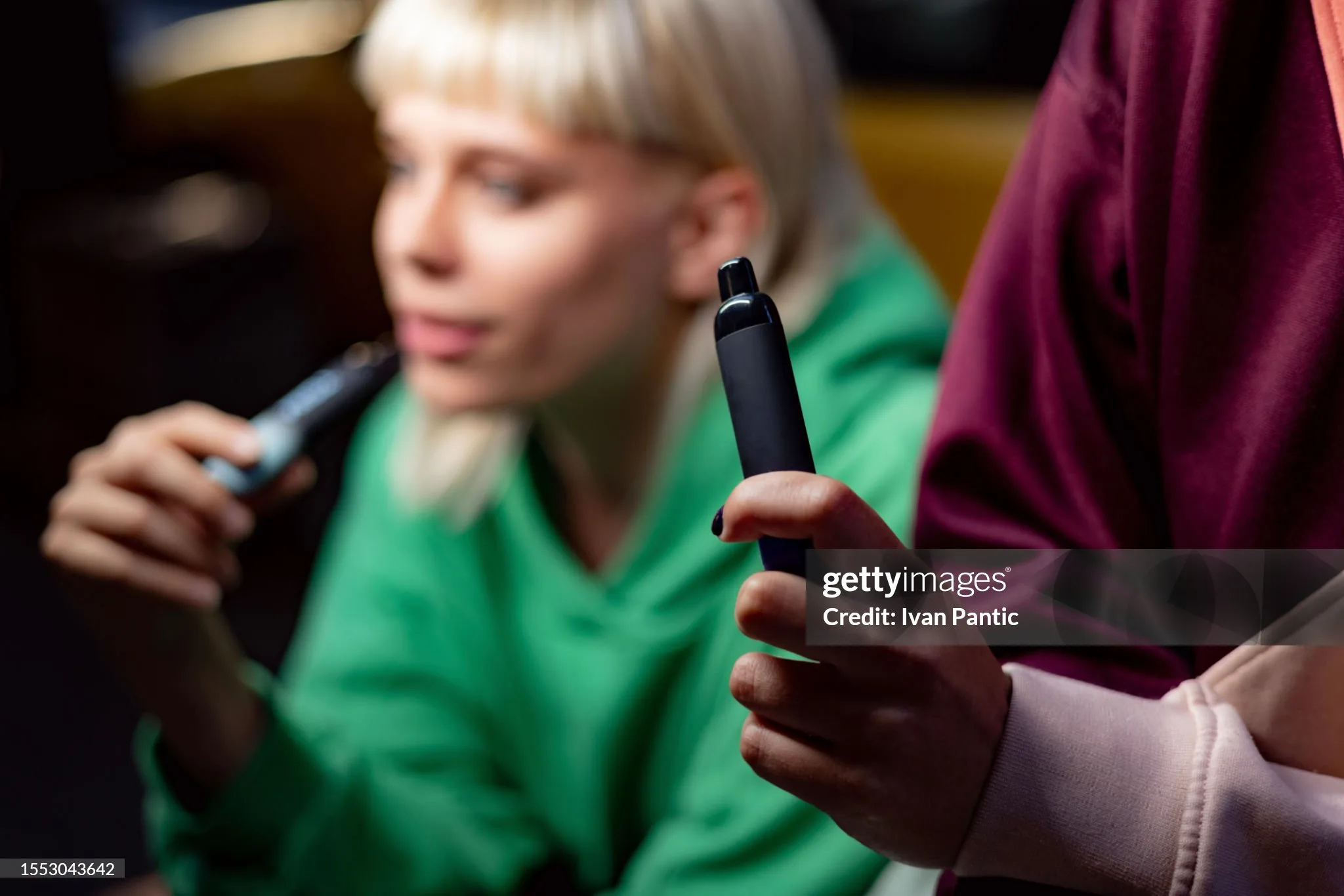
Vaping has gained an increasing amount of attention and traction in recent years as individuals, especially young people, have moved away from the habit of smoking and ventured towards vaping instead as a perceived “healthier” option.
However, research continues to suggest that the dangers of vaping should not be overlooked and the perception that it’s “better for you” is ultimately false.
One of the hidden risks of vaping is its connection to eating disorders and potential mental health concerns, particularly among teens.
Social media, vaping and diet culture
Vaping culture and diet culture have both gained significant traction on social media, influencing how teenagers perceive body image and lifestyle choices. These platforms, such as Instagram, TikTok, and Snapchat, are often where trends and cultural norms are both set and followed, making them key players in shaping teenage behavior.
Vaping, i.e. inhaling the vapor produced by an electronic cigarette or other vaping device, is sometimes perceived as a healthier alternative to smoking traditional cigarettes. However, vaping has a number of health risks not always clear to young users.
The connection between vaping and diet culture on social media becomes evident when we examine the motivations to vape. Vaping is sometimes marketed, albeit subtly, as a method of weight control. The nicotine found in most vaping products is an appetite suppressant, and this can create a misleading perception that vaping can help teens stay slim without dieting.
Social media amplifies these perceptions as users often share content that glamorizes both vaping and thinness. Influencers who portray a luxurious and carefree lifestyle might casually include vaping in their content, normalizing it and inadvertently linking it to physical appearance and social status. At the same time, posts about “quick fixes” to lose weight create an environment where the drive to achieve a certain body image can outweigh the concern for health and well-being.
This tie between vaping and diet culture can convince young minds into believing that vaping is not only socially acceptable but also a tool for weight management. While they may not be consciously vaping to stay slim, the overlap of these cultures suggests a subconscious link.
Does vaping impact eating disorders?
Vaping nicotine can have several potential effects related to eating disorders, especially since it involves appetite suppression, mood alterations and the development of addictive behaviors. However, more research is needed to fully understand this complex relationship.
Here are some considerations:
Suppressing appetite
Nicotine is known for its appetite-suppressing properties. For teens struggling with eating disorders, especially those involving restrictive eating patterns like anorexia nervosa, vaping as a means to control appetite may seem appealing. This can reinforce unhealthy eating behaviors and make recovery more challenging.
Unhealthy coping
Eating disorders are often linked with mood disorders, including anxiety and depression. Nicotine can temporarily elevate mood or reduce stress, which might seem beneficial to those struggling with mental health and eating disorders. However, using nicotine as a method of coping and for mood regulation can worsen underlying mental health issues and complicate treatment for eating disorders.
Addictive tendencies
Both vaping and eating disorders can involve compulsive behaviors. Engaging in vaping can trigger the cycle of addiction, making it harder for young individuals to break free from unhealthy patterns, whether related to eating or substance use, or both.
Body image
The diet culture prevalent on social media could connect vaping to the pursuit of a particular body image. Those vulnerable to eating disorders might be drawn to vaping due to false perceptions that it aids in weight management, potentially intensifying disordered eating behaviors.
Recovery complications
The health risks associated with vaping, like its effects on respiratory and cardiovascular health, can complicate recovery from eating disorders. Focusing on overall health and well-being is crucial for recovery, and vaping can act as a setback in this regard.
Addressing these concerns requires comprehensive support that includes education, mental health care and treatment specific to each individual’s needs. Families, educators and healthcare providers should be vigilant about the signs of both vaping and eating disorders and foster open communication to encourage healthier lifestyle choices and treatment options.
What about e-cigarettes and weight management?
E-cigarettes are not officially recognized or recommended as a weight control method, but there are perceptions and anecdotal reports that some individuals, particularly teens and young adults, may use them with the belief that they can help keep their weight stable/slim.
This belief stems mainly from the presence of nicotine in many e-cigarettes. Nicotine is a known appetite suppressant and can increase metabolism slightly, which has historically led some smokers and vapers to claim it helps with weight control.
However, it’s important to note several key points:
- E-cigarettes are not a safe alternative to tobacco smoking, and can still lead to addiction, respiratory issues, and other health problems;
- There is no scientific evidence to support the use of e-cigarettes as an effective or safe weight management tool. Any weight control benefits attributed to nicotine use are overshadowed by the potential health and addiction risks;
- The use of e-cigarettes for weight control can perpetuate unhealthy attitudes towards body image and diet;
- Health organizations do not endorse e-cigarettes for weight control, as the primary purpose of these devices is often marketed as an alternative to smoking traditional cigarettes, not as a weight loss tool.
For those looking to manage their weight, focusing on healthy eating habits, regular exercise and consulting with healthcare professionals is always more effective than trendy internet influences.
Support in recovery
Whether you’re looking to start the recovery journey, are somewhere in the middle or just need additional support, Seeds of Hope is here to help. Fill out an online contact form to get started today.


